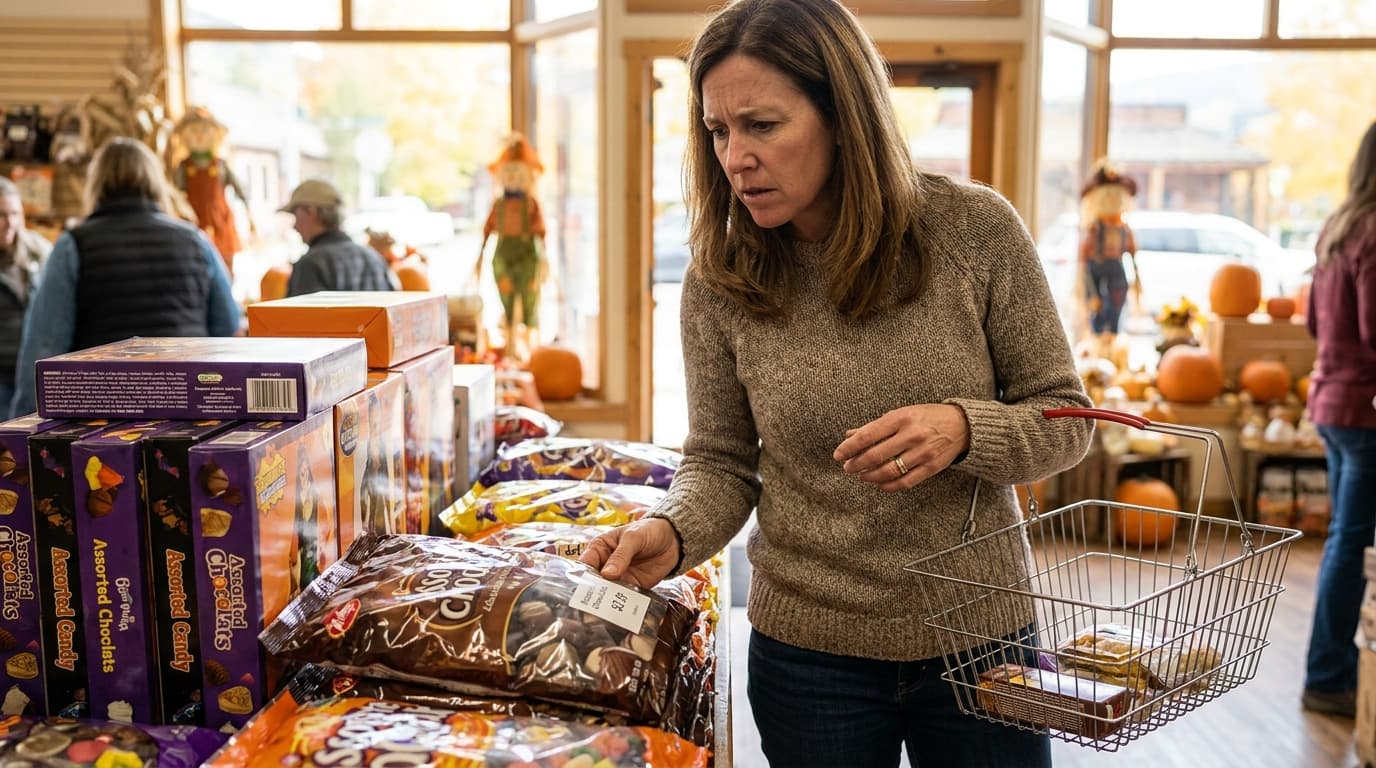
Halloween is eight days away. The decorations are up, the candy is stockpiled, and somewhere between the costume shop and the pumpkin patch, the spending adds up faster than you'd expect. Americans consistently report spending more during Halloween than they planned, and a significant portion carry that spending into the new year on high-interest credit cards (Federal Reserve average APR: 21.19%, Federal Reserve Economic Data, August 2026). This article answers the real questions about how much Halloween actually costs, where the money goes, and how to keep October 31 from haunting your November bank statement.
Quick Answer
How much do Americans spend on Halloween?
Americans spend billions on Halloween each year across costumes, candy, decorations, and parties. With the Consumer Price Index sitting at 336.940 (Bureau of Labor Statistics, September 2026), costs are meaningfully higher than just a few years ago. Putting even a modest holiday haul on a credit card at 21.19% APR can turn a fun night into months of debt. Read on for details.
What Does Halloween Actually Cost an American Household in 2026?
Halloween spending touches nearly every category of a family budget, and the costs are real even when each individual purchase feels small. Think about what a typical participating household buys: costumes for the kids (and often the adults), bags of candy to hand out, front-yard decorations, a carved pumpkin or two, and maybe tickets to a haunted attraction or a neighborhood party contribution.
Against the backdrop of a Consumer Price Index of 336.940 (Bureau of Labor Statistics, September 2026), everything from candy bags to polyester superhero suits costs more than it did a few years ago. Fuel costs are squeezing household budgets too: regular gasoline averaged $4.28 a gallon as of the week of October 19, 2026 (U.S. Energy Information Administration), which means even the drive to Spirit Halloween adds up.
A rough breakdown for a family participating fully might look like this:
- Costumes (two kids, one adult): $80 to $150
- Candy to hand out: $25 to $50
- Decorations: $30 to $80
- Pumpkins and seasonal produce: $15 to $30
- Party or event costs: $20 to $60
That puts a fully engaged household somewhere between $170 and $370 for a single evening. Against a U.S. median household income of $74,580 (U.S. Census Bureau, 2023), that's a noticeable line item, especially when Thanksgiving and the holiday shopping season start in just over a month.
Where Does Halloween Spending Go, and What Surprises People Most?
Costumes are consistently the biggest single category. Adults buying for themselves and their children can easily spend $100 or more before they've bought a single piece of candy. Licensed character costumes for kids have gotten noticeably more expensive as inflation has worked through the supply chain.
Candy is the second big one. A household in a busy trick-or-treat neighborhood might buy several large bags, and those bags aren't cheap when the CPI is at the level it is right now. It's easy to spend $40 to $60 just on candy alone if you live somewhere with lots of foot traffic.
Decorations are where people tend to underestimate. You pop into a dollar store for a few things and walk out having spent $50. If you're building on a collection from previous years, this cost is lower. If you're starting from scratch, it adds up surprisingly fast. Readers curious about how regional cost differences affect seasonal budgets can get useful context from our overview of the cost of living in Chicago, which shows how the same holiday purchases land differently depending on where you live.
What Is the Debt Danger of Putting Halloween on a Credit Card?
Here's where things get genuinely scary. The average credit card APR right now is 21.19% (Federal Reserve, August 2026), and Americans are carrying a collective $1.35 trillion in revolving consumer credit (Federal Reserve Economic Data, August 2026). A lot of that balance started with "just this once" seasonal spending.
Say you put $300 of Halloween spending on a card at 21.19% and pay only the minimum each month. You'd pay well over $100 in interest before that balance clears, depending on your minimum payment structure. The purchase is long forgotten, but the interest keeps compounding.
Now multiply that by Thanksgiving, Black Friday (November 27), and the December holidays. Each season adds to the pile, and by January, what felt like affordable holiday spending has become a high-interest debt problem that takes most of the new year to resolve.
Personal Loan Payment Calculator
Estimate your monthly payment on a fixed-rate personal loan.
Monthly Payment
$70.54
Total Interest
$193
Total Cost
$1,693
If you're already carrying a balance and Halloween is about to add to it, it's worth running the numbers on a personal loan calculator to see whether consolidating at a lower rate makes sense. The average 24-month personal loan rate at commercial banks is 11.9% (Federal Reserve Economic Data, August 2026), which is meaningfully lower than the average credit card rate.
How Can You Spend on Halloween Without Creating a Debt Hangover?
The good news is that Halloween is one of the most budget-flexible holidays out there. A little creativity goes a long way, and the things that make the night memorable usually aren't the expensive ones.
Set a number before you shop. Seriously. Write it down. When you have a firm cap, say $150 for your household, you make different decisions in the store. You reach for the store-brand candy. You consider a DIY costume over a licensed one.
Buy what you can with cash or a debit card. If you do use a credit card, treat it like a debit card: pay the full balance before the statement closes. That's the only way to use a 21.19% APR card without actually paying 21.19%.
If you're already in a tight spot heading into Halloween, it's worth acknowledging that honestly. The U.S. national unemployment rate is 4.2% (Bureau of Labor Statistics, September 2026), and many households are managing on incomes that haven't kept pace with inflation. There's no shame in scaling back. Kids remember the fun, not the price tag on the costume.
What Should You Do If Halloween Spending Has Already Put You Behind?
If you're reading this the week of October 23 and you already know Halloween is going on the card because there's no other option right now, you're not alone, and there are real steps you can take after the fact.
First, don't let it roll into the holiday season without a plan. The average credit card rate of 21.19% means every month you carry a balance, you're paying a significant premium on purchases that are already behind you.
Second, look at whether a personal loan might help you consolidate existing balances at a lower rate. With an average 24-month personal loan rate of 11.9% at commercial banks, the math can genuinely work in your favor if you have decent credit. For those with credit challenges, bad credit loans in Illinois covers options worth knowing about if traditional banks have turned you down.
One option worth exploring is Safe Bet Loans. They work with personal loan lenders who specialize in a range of financial situations, including those that traditional banks often decline. Before the holiday season compounds your balance further, it's worth seeing what options exist.
Halloween is supposed to be fun. The costumes, the candy, the neighborhood energy on a cool October night. The goal is to enjoy it without letting one evening's spending become a debt story that follows you into 2027. Check your options, set your budget, and keep October 31 where it belongs: a single night, not a six-month credit card balance.
Frequently Asked Questions
How much do Americans spend on Halloween each year?
Americans spend across costumes, candy, decorations, and parties each Halloween. With the Consumer Price Index at 336.940 (Bureau of Labor Statistics, September 2026), costs are higher than in recent prior years. A fully participating household can reasonably expect to spend between $170 and $370 on the holiday, depending on family size and how elaborate the celebration is.
Is it a bad idea to put Halloween spending on a credit card?
It depends on whether you pay the balance in full. The average credit card APR is currently 21.19% (Federal Reserve, August 2026). If you carry even a $300 balance month to month, you'll pay a meaningful amount in interest on top of what the holiday already cost you. Paying in full before the statement closes eliminates that cost entirely.
What is the biggest Halloween expense for most families?
Costumes are consistently the largest single Halloween expense, often running $80 to $150 for a household with children. Candy to hand out is the second biggest cost, followed by decorations. Each category feels manageable individually, but combined, they can push total spending well past what most families initially budget.
Can a personal loan help if Halloween spending pushed me into debt?
If Halloween spending added to an existing credit card balance, a personal loan at a lower rate is worth exploring. The average 24-month personal loan rate at commercial banks is 11.9% (Federal Reserve, August 2026), compared to the 21.19% average credit card APR. Use a personal loan calculator to see whether the numbers work for your situation before applying.
How can I enjoy Halloween without overspending in 2026?
Set a firm household budget before you shop and stick to cash or a debit card where possible. DIY costumes, store-brand candy, and reused decorations meaningfully cut costs without reducing the fun. If you do use a credit card, commit to paying the full balance immediately so the 21.19% average APR (Federal Reserve, August 2026) never actually applies.